

Key Development
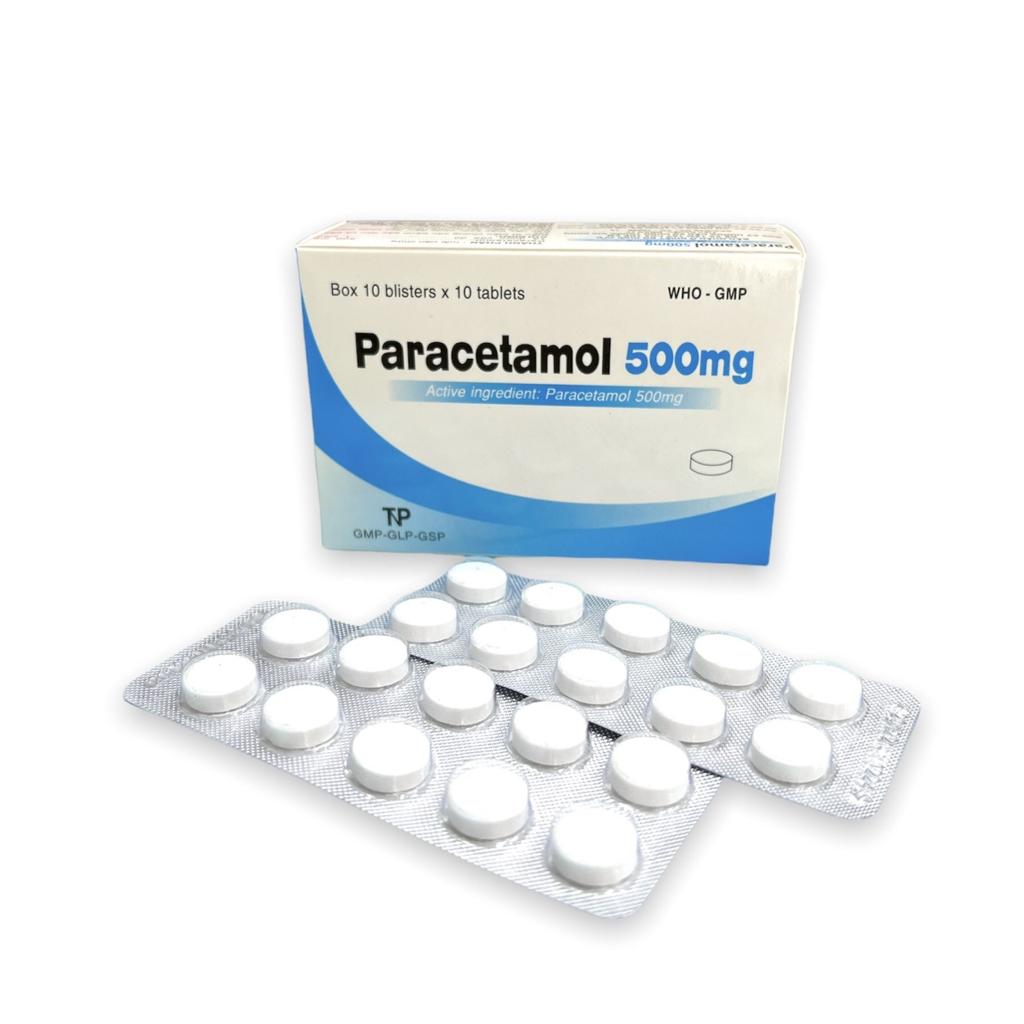
Vietnam’s pharmaceutical regulatory system has once again demonstrated the importance of post-market quality monitoring following the recall of a specific batch of Paracetamol 500mg tablets in Hai Phong. The recall was initiated after laboratory testing identified that the affected batch failed to meet an essential pharmaceutical quality specification, prompting local health authorities to remove the product from circulation while conducting traceability and recall procedures.
Although the incident involves only a single production batch rather than the entire product line, it highlights the increasingly proactive role of Vietnam’s healthcare regulators in ensuring medicines continue to meet quality standards after entering the market. This reflects an evolving regulatory approach where quality assurance extends beyond manufacturing approval to continuous surveillance throughout a product’s commercial lifecycle.
The action also reinforces the importance of collaboration between provincial health departments, quality control laboratories, manufacturers and distributors in maintaining the integrity of the pharmaceutical supply chain and protecting patient safety.
Why It Matters
- Demonstrates the effectiveness of Vietnam’s post-market pharmaceutical quality surveillance system.
- Reinforces industry expectations for stronger GMP compliance and manufacturing consistency.
- Protects patient safety through rapid identification and removal of potentially substandard medicines.
- Encourages pharmaceutical companies to strengthen quality risk management across production and distribution.
- Supports Vietnam’s long-term objective of aligning pharmaceutical regulation with international quality standards.
Healthcare Insight Analysis
Medicine recalls often attract public attention, yet within mature pharmaceutical markets they are widely regarded as evidence of a functioning quality assurance system rather than regulatory failure. The ability to identify quality deviations after commercialization—and to respond rapidly—plays a critical role in preserving public trust and maintaining confidence in national healthcare systems.
The reported quality issue involved tablet dissolution, one of the most critical quality attributes for oral solid dosage forms. Dissolution determines how efficiently the active pharmaceutical ingredient is released and becomes available for absorption. Even when the correct amount of active ingredient is present, inadequate dissolution may compromise therapeutic performance, particularly for medicines that are widely used in both hospitals and community pharmacies.
For Vietnam’s pharmaceutical industry, this development reflects a broader transition toward lifecycle quality management. Regulatory oversight is increasingly moving beyond pre-market inspections to encompass routine sampling, laboratory verification, supply chain monitoring and evidence-based enforcement after products reach patients. This approach aligns with global regulatory practices adopted by agencies such as the FDA and EMA, where continuous market surveillance is considered an essential component of pharmaceutical governance.
The incident also serves as a reminder that quality has become a strategic differentiator rather than simply a compliance requirement. As Vietnam expands domestic pharmaceutical manufacturing and seeks greater participation in international supply chains, manufacturers will need to invest more heavily in analytical capabilities, process validation, digital quality management systems and manufacturing automation to ensure consistent product performance across every production batch.
Healthcare Insight believes these developments will accelerate the industry’s shift toward risk-based quality management, where predictive analytics, real-time manufacturing monitoring and digital traceability become increasingly important competitive advantages. Companies capable of demonstrating robust quality governance will be better positioned to strengthen market confidence, secure hospital procurement opportunities and expand export potential.
Market Implications
Strengthened regulatory oversight is expected to drive increased investment in pharmaceutical quality control laboratories, analytical testing equipment, digital Quality Management Systems (QMS), manufacturing execution systems and supply chain traceability solutions. At the same time, pharmaceutical manufacturers with internationally recognised quality systems are likely to benefit from stronger market credibility and greater opportunities in both domestic and overseas markets.