

Key Development
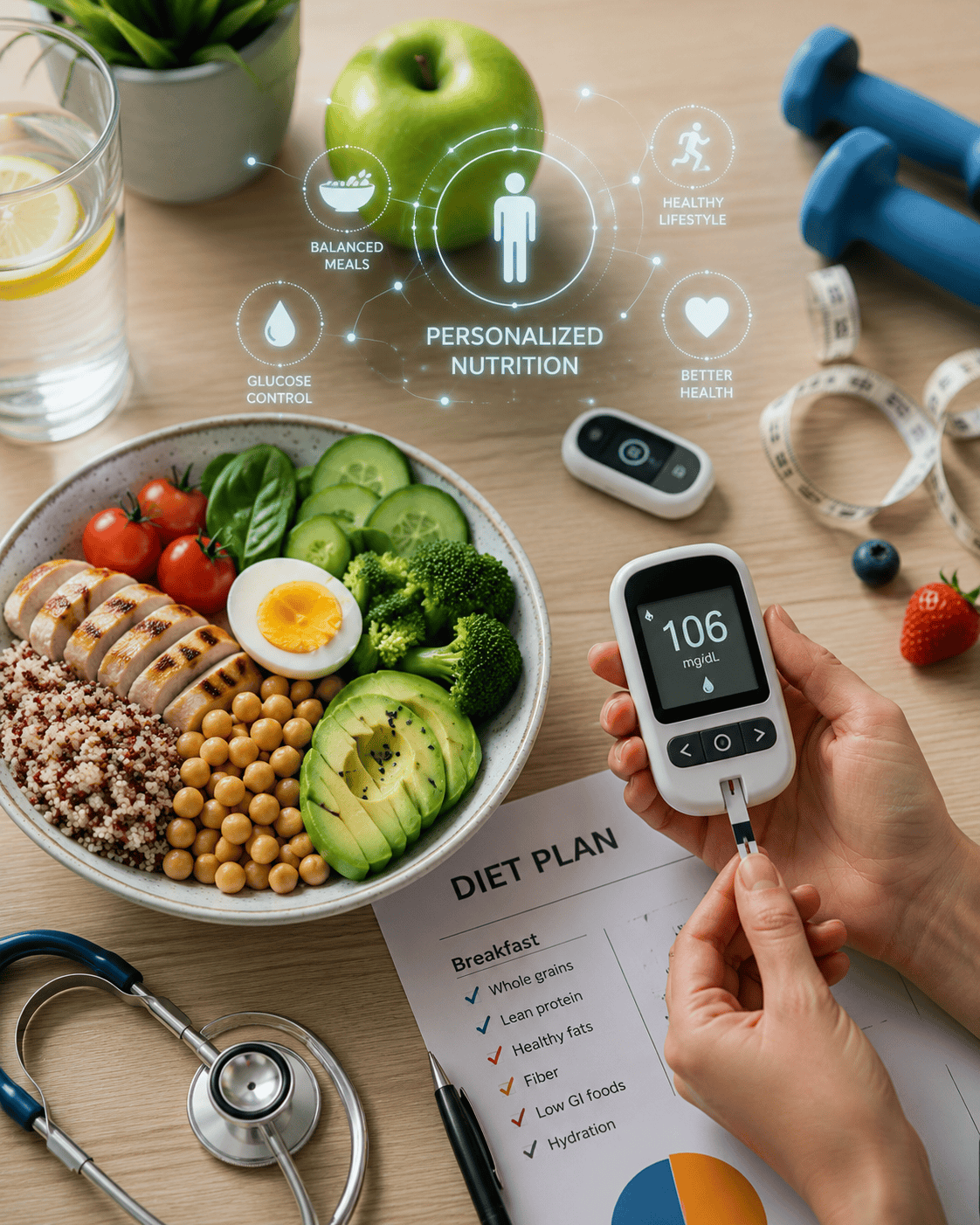
Diabetes care is increasingly shifting from reactive glucose control to proactive metabolic management, with everyday dietary habits becoming a central part of long-term treatment strategies. Among these, breakfast is gaining attention as a key opportunity to influence daily glucose patterns and overall metabolic stability.
Rather than recommending a universal meal plan, healthcare providers are moving toward personalized nutrition that considers an individual’s metabolic profile, lifestyle, comorbidities, and treatment goals. This reflects a broader transition from restrictive dieting to evidence-based, patient-centered nutrition.
As a result, nutrition is evolving from a supportive intervention into a strategic pillar of chronic disease management.
Why It Matters
- Personalized nutrition is becoming a core trend in metabolic disease management.
- Effective diabetes care increasingly combines medication, nutrition, and behavior change.
- Patients are placing greater emphasis on prevention and long-term health maintenance.
- The diabetes ecosystem is expanding beyond traditional pharmaceutical products.
- Digital health and nutrition data are creating new opportunities for personalized care.
Healthcare Insight Analysis
The diabetes market is evolving into a comprehensive chronic care ecosystem where value extends far beyond innovative medicines. Sustainable disease management increasingly depends on integrating nutrition, behavioral coaching, digital monitoring, and personalized health interventions.
This transformation is creating opportunities for medical nutrition companies, digital health providers, wearable technology developers, AI-driven health platforms, and preventive healthcare services. Competitive advantage will increasingly depend on delivering connected care rather than standalone products.
In emerging markets such as Vietnam, where diabetes prevalence continues to rise alongside population aging, investment in nutrition education and preventive care could improve clinical outcomes while reducing long-term healthcare costs. Organizations capable of combining pharmaceuticals, nutrition, and digital health into integrated patient journeys are likely to lead the next phase of market growth.
Market Implications
The future of diabetes management will be shaped not only by pharmaceutical innovation but also by integrated care ecosystems that combine nutrition, digital technologies, and personalized health data. Companies that successfully connect these capabilities will be better positioned to create sustainable value for both patients and healthcare systems.
Source: https://diab.com.vn/7-bua-sang-cho-nguoi-benh-tieu-duong/