

Key Development
PHARMEDI VIETNAM 2026 will take place from September 22–24 at SECC in Ho Chi Minh City, with more than 600 booths across 12,000 square meters, participants from over 20 countries and territories, and an expected 12,000-plus trade visitors and 3,000-plus professional buyers. The exhibition spans pharmaceuticals, medical devices, diagnostic imaging, laboratories and surgery as well as rehabilitation, digital health and smart-care solutions.
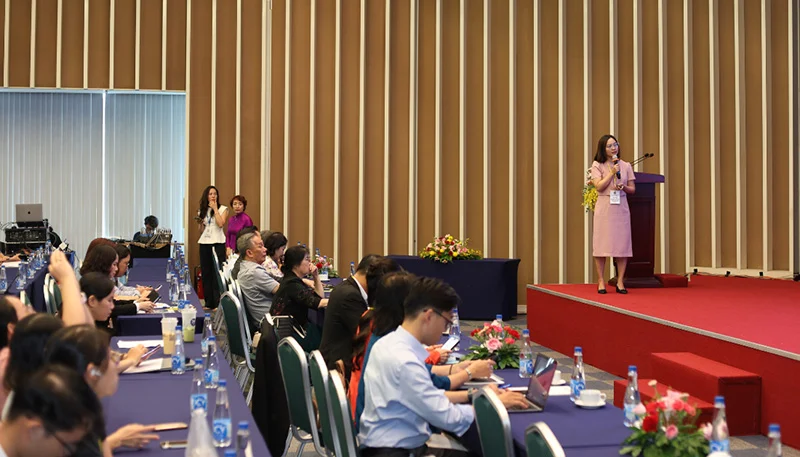
More important than its physical scale is the event’s expanding role. PHARMEDI is increasingly positioning itself not simply as a product exhibition but as a meeting point for technology adoption, healthcare investment and hospital operations. B2B matchmaking and buyer programs will operate alongside a three-day international conference addressing hospital procurement, healthcare investment, AI, hospital management, patient safety and leadership.
The timing is significant. Vietnam’s healthcare sector is entering a period in which hospital infrastructure, medical technology, digital transformation and domestic technological capability are becoming increasingly interconnected investment priorities.
Why It Matters
- Healthcare procurement is becoming more strategic. Vietnam plans to begin centralized national procurement for specified medical devices and laboratory supplies from January 1, 2027, potentially changing pricing, tendering and market-access strategies for suppliers.
- Digital health is moving from pilots toward infrastructure. As of February 2026, the Ministry of Health reported more than 34 million electronic health records integrated with VNeID and electronic medical records implemented at 1,210 hospitals.
- Hardware alone is becoming less differentiating. Hospitals increasingly require interoperability, clinical training, maintenance, cybersecurity, consumables and lifecycle support around the device itself.
- Technology transfer is moving higher on the agenda. Vietnam’s policy direction emphasizes strengthening domestic pharmaceutical and medical-device industries, diversifying supply and accelerating research, manufacturing and technology transfer.
Healthcare Insight Analysis
PHARMEDI 2026 reflects a broader transition in Vietnam’s healthcare market: value is shifting from selling products toward building healthcare capabilities.
Traditionally, medical-technology exhibitions could largely revolve around specification comparisons — which machine was newer, faster or more advanced. But as hospitals adopt EMRs, AI, smart-hospital infrastructure and increasingly sophisticated clinical services, purchasing decisions are becoming dependent on how effectively a technology fits into a hospital’s clinical, operational and financial architecture.
That shift changes competitive advantage for medtech companies.
An advanced imaging system with weak local maintenance, poor uptime or limited interoperability may ultimately deliver less value than a technically less differentiated platform supported by stronger service infrastructure, training and data integration.
The fact that PHARMEDI’s conference program places hospital procurement, AI, management, investment and patient safety within the same strategic conversation is therefore meaningful. It indicates that healthcare technology is increasingly being evaluated as part of an integrated operating system rather than as standalone capital equipment.
The exhibition’s B2B matching structure also creates an important interface between international manufacturers, Vietnamese distributors, hospital operators and investors.
For foreign companies, however, the long-term opportunity may depend on more than importing products. A critical strategic question will be how deeply suppliers localize their operating model — through technical support, clinical education, regulatory expertise, distribution partnerships and, eventually, selected forms of technology transfer or local value-chain participation.
Market Implications
For medtech companies, competition is likely to shift increasingly toward total cost of ownership, service capability and system integration, rather than equipment price alone.
For hospitals, events such as PHARMEDI can become platforms for evaluating not just technologies but vendors’ ability to finance, deploy, maintain and integrate those technologies into clinical workflows.
For investors, segments to watch include hospital infrastructure, diagnostics, rehabilitation, elderly care, digital health and service platforms supporting hospital operations.
The broader implication for Vietnam’s healthcare ecosystem is clear: the next investment cycle will require not simply more technology, but technology that connects more effectively with people, data and healthcare operations.
Source: https://www.vietnam.vn/pharmedi-vietnam-2026-kham-pha-cong-nghe-cap-nhat-tri-thuc-nganh-y-te