

Key Development
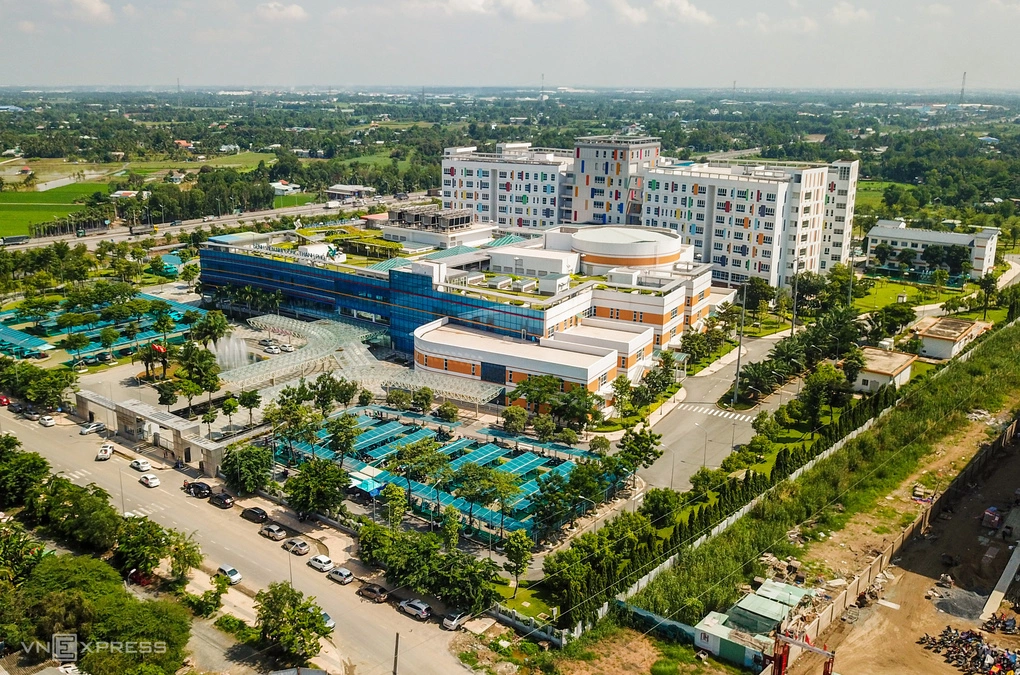
During an executive briefing on public health infrastructure strategy released on August 4, 2026, Assoc. Prof. Tang Chi Thuong, MD, PhD—Director of the Ho Chi Minh City Department of Health—officially unveiled the municipality’s master policy: Transforming HCMC’s healthcare network into a unified “Hospital Without Walls.” This operational blueprint serves as the core framework driving the city’s multi-polar healthcare ecosystem, designed to redistribute advanced tertiary care capacity to gateway districts and suburban expansion zones rather than concentrating clinical resources exclusively within the urban core.
The “Hospital Without Walls” model extends beyond physical facility expansion, focusing on digitally interconnecting all health tiers into an integrated clinical network. Under this framework, patients presenting at primary ward health centers or regional general hospitals can seamlessly access the expertise of top-tier medical specialists via Electronic Medical Record (EMR) interoperability, VNeID health databases, shared clinical registries, and real-time Tele-ICU/Telemedicine consultation networks.
Why It Matters
-
Relieving Severe Urban Core Congestion: Historical concentration of tertiary hospitals within downtown HCMC generated severe traffic gridlock, localized bed deficits, and inflated social healthcare costs. Decentralizing specialized care keeps patient cohorts within gateway medical zones.
-
Structuring Regional Multi-Polar Clinical Ecosystems: Outer gateway medical poles (e.g., Cu Chi, Hoc Mon, Thu Duc, Binh Chanh) are designed as autonomous healthcare ecosystems:
-
Foundational Pillar: Equipping regional centers with essential specialties (Emergency, Intensive Care, Internal Medicine, General Surgery, OB/GYN, Pediatrics, Imaging, and Pathology).
-
Specialized Pillar: Developing specialized regional centers of excellence (Cardiology, Oncology, Ophthalmology, Rehabilitation, and Traditional Medicine).
-
-
Scaling the “One Hospital – Multiple Campuses” Model: Central tertiary hospitals are actively executing satellite expansions:
-
Nhan Dan Gia Dinh Hospital: Operating Campus 2 (Saigon) and advancing Campus 3 (Phu My – 800 beds).
-
Binh Duong General Hospital: Developing Campus 2 at Bac Tan Uyen Medical Center.
-
Specialty Hospitals: Pham Ngoc Thach (Pulmonology), Psychiatric, Eye, Odonto-Stomatology, ENT, and Dermatology hospitals are formulating expansion proposals across outer growth corridors.
-
-
Optimizing Healthcare Expenditure and Eliminating Redundant Diagnostics: Interconnecting patient records across the “hospital without walls” framework makes laboratory readouts, advanced imaging (CT/MRI), and pharmaceutical histories accessible across all network nodes, eliminating duplicate diagnostic testing costs.
Healthcare Insight Analysis
From the perspective of Healthcare Insight, HCMC’s “Hospital Without Walls” strategy and multi-polar healthcare planning represent a strategic Urban Healthcare Ecosystem Decentralization effort.
Historically, HCMC’s public health system faced systemic challenges due to patient preference for central tertiary facilities, driven by disparities in clinical talent and equipment between primary care centers and core hospitals. The “Hospital Without Walls” framework addresses these structural issues through two strategic initiatives:
-
Digital Infrastructure Interoperability: EMR integration and Telemedicine mitigate geographic barriers. Clinicians at district health centers or Hoc Mon Regional Hospital can initiate real-time tele-consultations with senior faculty at Cho Ray, City Children’s, or Nhan Dan Gia Dinh hospitals for complex clinical cases.
-
Clinical Capability Transfer: Health authorities are deploying a targeted capability transfer model rather than simply redistributing personnel. This includes rotating senior specialists, transferring advanced technical protocols, and stationing surgical teams at regional general hospitals.
Combining modernized regional hospital facilities (such as City Children’s Hospital at the western gateway alongside newly upgraded Regional General Hospitals in Hoc Mon, Cu Chi, and Thu Duc) with shared data infrastructure transforms HCMC into a Distributed Clinical Network. Under this operational structure, downtown tertiary hospitals can shift focus from routine care toward high-complexity tertiary procedures, biomedical R&D, and clinical training for the broader southern region.
Market Implications
-
Driving Enterprise Adoption of Digital Health & HealthTech: Executing the “hospital without walls” concept requires upgrades to regional health cloud infrastructure, city-wide filmless PACS networks, international-standard EMR/HIS platforms, and specialized Telemedicine consultation hardware.
-
Re-aligning ETC Pharmaceutical and MedTech Distribution: As patient volume shifts toward gateway medical hubs, demand for specialty pharmaceuticals (ETC) and advanced medical devices will redistribute accordingly. Biopharma and MedTech companies will adjust their commercial field-force allocations toward regional general hospitals.
-
Stimulating Private Healthcare Investments Along Expansion Corridors: Establishing public medical hubs will catalyze private healthcare investments, driving the development of satellite specialty clinics, centralized diagnostic centers, and GPP pharmacy chains along major inter-provincial transport corridors.
Structural Framework: HCMC Polycentric “Hospital Without Walls” Ecosystem
| Ecosystem Pillar | Scope & Anchoring Institutions | Strategic Role & Data Interoperability |
| Core Tertiary Centers (Urban Core) | Cho Ray, Nhan Dan Gia Dinh, Children’s Hospitals 1 & 2, Orthopedic Hospital | Advanced R&D & High-Acute Core: Manages complex tertiary cases; provides Telemedicine consultations; rotates faculty to regional sites. |
| Gateway Medical Hubs (Growth Corridors) | City Children’s (West), Regional General Hospitals (Cu Chi, Hoc Mon, Thu Duc) | Regional Inpatient Shield: Manages 80–90% of local acute care needs; develops specialized regional centers of excellence. |
| “Without Walls” Infrastructure (Digital Layer) | Shared Municipal Health Data Portal, EMR, VNeID EHR, Tele-ICU Network | Value Chain Integration: Connects patient histories, lab results, and PACS imaging; eliminates duplicate diagnostic testing. |
| Multi-Campus Expansion (Chain Model) | Gia Định (Campus 2 & 3); Pham Ngoc Thach, Eye, ENT Hospitals (New Campuses) | Capacity Redistribution: Deploys “One Hospital – Multiple Campuses” framework to expand tertiary coverage across suburban zones. |
Source: https://vnexpress.net/y-te-tp-hcm-se-thanh-benh-vien-khong-tuong-5104871.html