

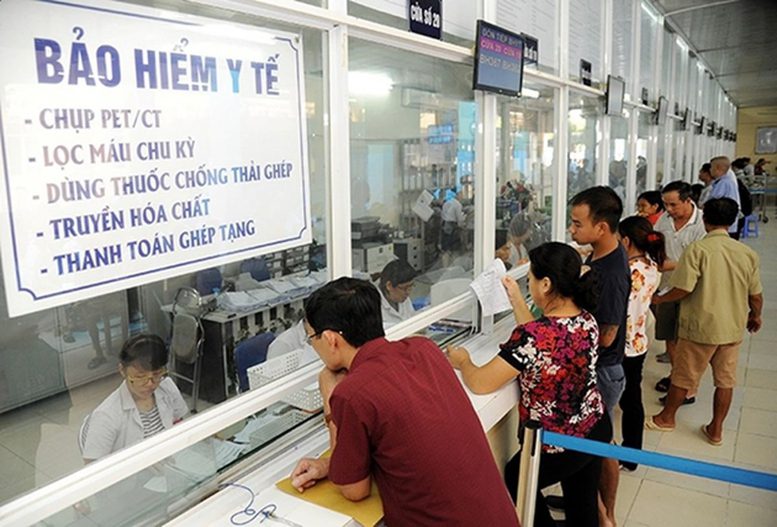
Key Development
In response to voter inquiries regarding the limited availability of insured pharmaceuticals at primary healthcare facilities, Minister of Health Dao Hong Lan confirmed that the Ministry of Health (MOH) is revising and expanding the Circular governing the list of chemical, biological, and active pharmaceutical ingredients reimbursed under the Vietnam Health Insurance (VHI) Fund.
A strategic highlight of the pending regulatory revision is the proposed expansion of VHI reimbursement coverage across primary-level healthcare facilities (including commune health stations) to encompass 349 additional drugs.
Key Policy Reform Directives Outlined by the Ministry of Health:
-
Commune Health Station Drug Expansion (349 Drugs): Expanding the scope of VHI coverage to allow commune health stations to dispense 349 additional pharmaceuticals (targeting chronic disease management including hypertension, diabetes, cardiovascular conditions, and musculoskeletal disorders).
-
Incorporation of Innovative & Biological Therapies: Adding novel originative chemical entities and high-efficacy biologics into the national reimbursement catalogue, paired with co-payment ratios designed to maintain VHI fund solvency.
-
Transitioning to Technical Competency-Based Reimbursement: Fully replacing legacy hospital grading frameworks (Grade I, II, III, IV) with a technical competence-based reimbursement system (Primary, Basic, and Specialized Care Tiers) in alignment with the Amended Law on Medical Examination and Treatment.
-
Reaffirming VHI Coverage Categories for Veterans: Clarifying statutory provisions mandating 100% State-funded VHI coverage for qualifying military veterans (under Point e, Clause 3, Article 12 of the VHI Law).
Why It Matters
-
Mitigating Logistics and Financial Headwinds for Chronic Disease Patients: Previously, rural patients requiring routine chronic disease management (e.g., diabetes, hypertension) were forced to travel to district health centers or provincial hospitals because commune health stations lacked reimbursement authorization for standard oral maintenance therapies. Adding 349 drugs reduces travel expenditures and workdays lost for rural populations.
-
De-escalating Tertiary Hospital Crowding: Expanding pharmaceutical availability at primary healthcare centers serves as an essential mechanism to retain patient care within local primary networks, relieving crowding across provincial and central tertiary hospitals.
-
Optimizing National Health Insurance Fund Expenditures: Early disease management and routine prescription fulfillment at the primary level prevent severe chronic disease complications, reducing long-term inpatient expenditure for the VHI Fund.
Healthcare Insight Analysis
From the perspective of Healthcare Insight, the policy directives issued by Minister Dao Hong Lan on August 11, 2026, represent Primary Healthcare Coverage Expansion.
Currently, the national chemical pharmaceutical reimbursement catalogue (under Circular No. 20/2022/TT-BYT) covers 1,037 active substances (across 27 therapeutic classes) plus 59 radiopharmaceuticals; the traditional medicine catalogue (Circular No. 27/2020/TT-BYT) covers 229 traditional formulations and 349 herbal raw materials. Because regulations index by active ingredient name (excluding specific dosages or brand titles), the VHI Fund reimburses tens of thousands of finished pharmaceutical SKUs in practice.
However, a historical structural bottleneck centered on inequitable drug allocation across administrative healthcare tiers. Commune health stations previously maintained access to roughly $20\%\text{ to }30\%$ of total reimbursed active substances.
Revising the reimbursement framework delivers two primary operational benefits:
-
Upgrading Primary Care Therapeutic Scope: Authorizing 349 additional pharmaceuticals alongside technical competency tiering equips commune health stations with necessary medical tools to manage common non-communicable diseases (NCDs) locally.
-
Incentivizing Domestic Pharmaceutical Supply Chains: Domestic biopharmaceutical manufacturers (particularly cGMP/EU-GMP certified facilities) gain expanded procurement channels to supply quality generics and chronic care medications directly into primary healthcare procurement networks.
Market Implications
-
Accelerating Chronic Disease Pharmaceutical Volumes in Public Sector Tenders: Biopharmaceutical manufacturers with established cardiovascular, metabolic, and respiratory portfolios will record volume expansion across primary care channels.
-
Elevating Primary Care VHI Utilization Rates: Patient presentation and prescription fulfillment rates across commune health stations are projected to expand through H2 2026 and 2027.
-
Driving Digital Inventory Systems Across Commune Clinics: Expanding pharmaceutical access mandates upgrading digital inventory tracking and electronic prescription interoperability between commune clinics and Vietnam Social Security (VSS).
Regulatory Ledger: VHI Reimbursed Pharmaceutical Coverage Matrix
| Indicator / Catalogue Sector | Active Regulation (Cir. 20/2022 & Cir. 27/2020) | Proposed MOH Policy Revision (2026) |
| Commune Station Scope | Restricted coverage (Tier-restricted formulations) | Expanded VHI coverage for 349 additional drugs. |
| Reimbursement Structure | Indexed by Hospital Class (Grades I–IV) | Transitioning to Technical Competency Tiers. |
| Chemical Drug Reimbursed | 1,037 Active Ingredients (27 Classes) | Incorporating novel innovator therapies. |
| Traditional Formulations | 229 Formulations + 349 Herbal Materials | Retained & optimized for primary care delivery. |
| Military Veteran Scope | Point e, Clause 3, Article 12 VHI Law | 100% State Budget Funded VHI Coverage. |