

Key Development
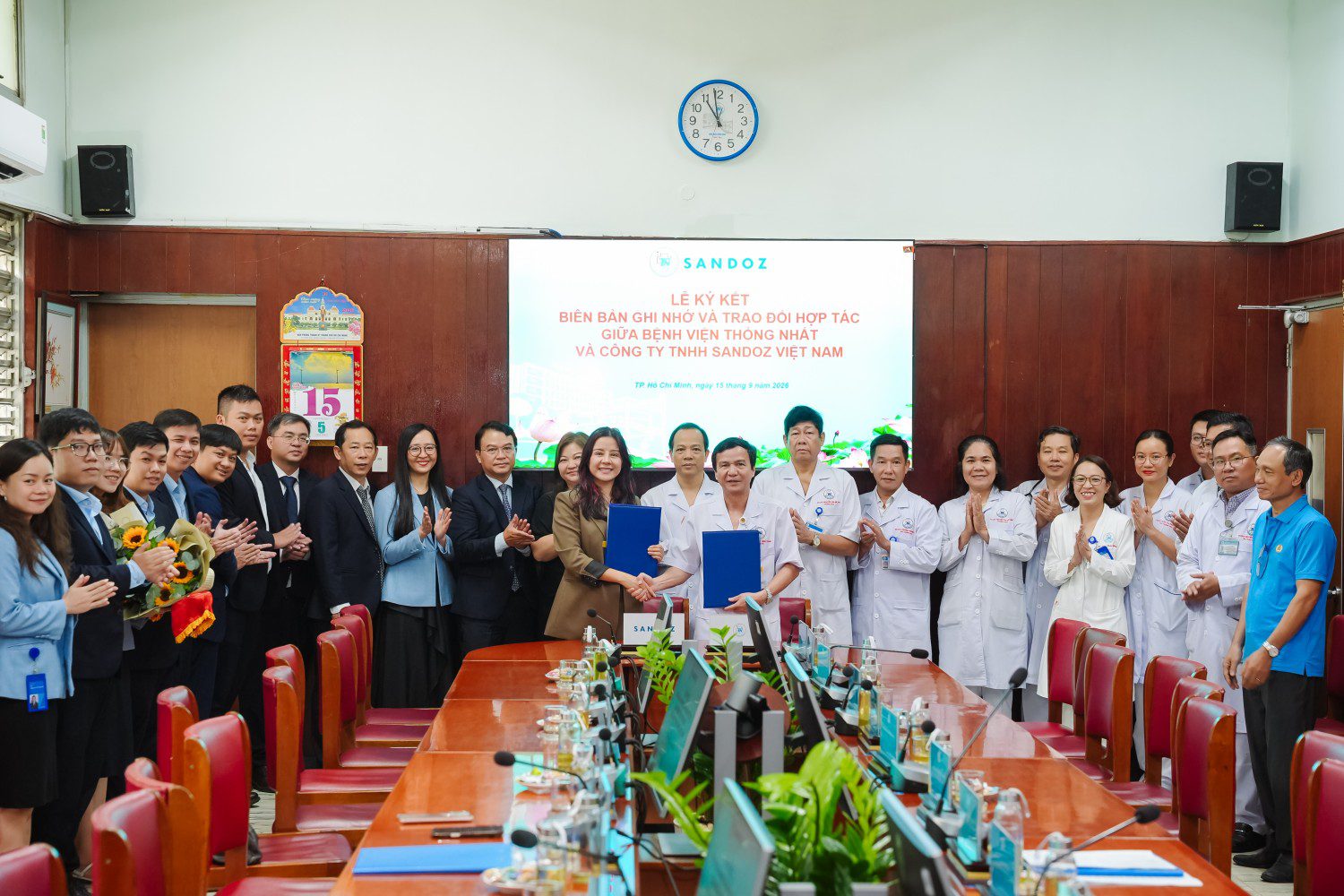
Sandoz Vietnam and Thong Nhat Hospital signed a Memorandum of Understanding on September 15, 2026, aimed at strengthening care for diseases affecting older people, with particular emphasis on osteoporosis, oncology and the prevention and management of infectious diseases. The collaboration covers continuing medical education, scientific research, expert exchange and community health-education initiatives.
A particularly significant component is the proposed establishment of an Osteoporosis Center of Excellence (CoE) designed to strengthen prevention, diagnosis, treatment and long-term disease management. According to information released around the partnership, approximately 3.6 million people in Vietnam were living with osteoporosis in 2022, with the figure projected to reach 4.5 million by 2030.
The partnership arrives as demographic pressure intensifies. Vietnam had approximately 14.2 million people aged 60 and above in 2024, according to national statistics, with that population projected to approach 18 million by 2030.
Why It Matters
- Geriatric medicine is becoming a system-level challenge. Older patients frequently live with multiple chronic conditions simultaneously, making fragmented single-disease care increasingly inadequate.
- Osteoporosis illustrates the importance of prevention. The potential value of a CoE extends beyond treatment toward systematic screening, early diagnosis, fracture-risk management and long-term follow-up.
- Pharma–hospital partnerships are moving beyond products. Medical education, clinical research, evidence generation, professional capability and patient education are becoming increasingly important components of industry–provider collaboration.
- Public policy is moving in the same direction. From 2026, Vietnam’s elderly-care program calls for older people to receive free health examinations and screening at least annually, while targeting management of major noncommunicable diseases in at least 90% of older people by 2030.
Healthcare Insight Analysis
The strategic significance of the agreement is not the number of training programs or scientific meetings it may generate. It is that population aging is beginning to change how healthcare capability needs to be built in Vietnam.
A healthcare system structured primarily around episodic treatment of acute disease is poorly suited to an older population living simultaneously with osteoporosis, cardiovascular disease, cancer, diabetes and recurrent infections.
For these patients, healthcare outcomes increasingly depend on continuity, multidisciplinary coordination, medication management, early screening and sustained follow-up rather than any single intervention.
That makes the proposed osteoporosis Center of Excellence particularly relevant. Properly developed, a CoE can act as a platform connecting clinical protocols, specialist education, research and longitudinal patient management. Its broader value would come from disseminating standardized practice beyond a single hospital.
The partnership also sits within a broader debate about affordability. As populations age, healthcare systems must finance treatment over longer periods while managing increasing volumes of chronic disease. Generics and biosimilars become strategically important in that environment because they can broaden treatment access while reducing expenditure relative to originator therapies. Sandoz reported reaching more than one billion patients globally in 2025 through its medicines and positions generics and biosimilars at the center of its access strategy.
The implication is that healthy-aging strategies cannot rely solely on innovative medicines or additional hospital capacity. They require an integrated model combining affordable medicines, earlier diagnosis, clinical standardization, professional capability and long-term disease management.
Market Implications
For pharmaceutical companies, geriatrics may increasingly emerge as a cross-portfolio strategic segment, linking oncology, bone health, cardiovascular medicine, anti-infectives and other chronic-disease categories rather than functioning as a narrow specialty.
For hospitals, differentiation in elderly care will increasingly depend on multidisciplinary disease management, longitudinal health data, preventive screening and the ability to coordinate multiple specialties around the same patient.
For diagnostics, medtech and digital-health companies, aging creates expanding demand for screening, monitoring, rehabilitation and chronic-care platforms.
For policymakers and payers, the challenge will be to improve access while preventing longer life expectancy from translating into disproportionately higher healthcare expenditure.
The broader message is therefore structural: population aging does not simply create more patients. It is pushing Vietnam’s healthcare system away from episodic treatment and toward continuous management of health across the later stages of life.