

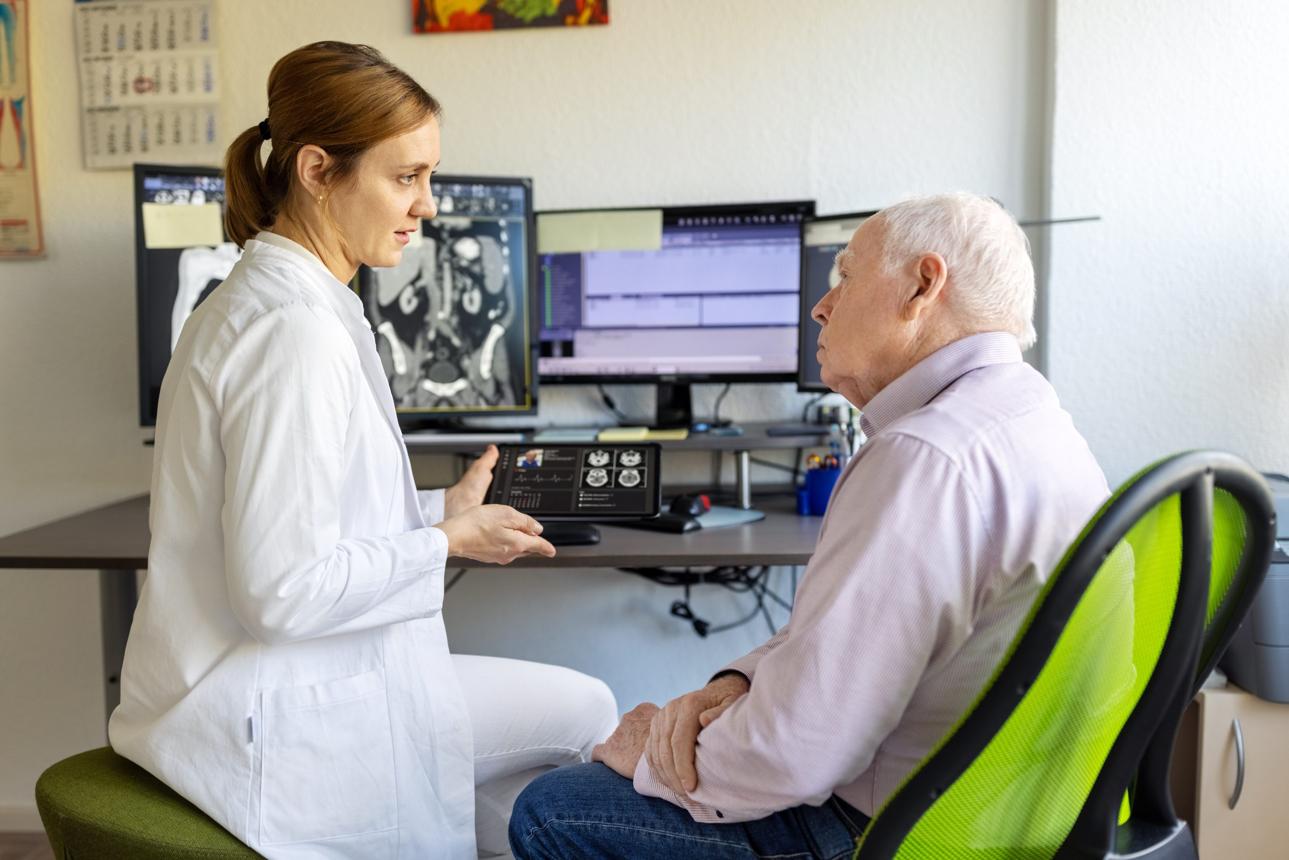
Why does recurrent stroke represent a much bigger healthcare challenge?
A recent case involving a patient experiencing two consecutive strokes highlights a broader issue facing modern healthcare: stroke is no longer only an acute medical emergency, but a long-term condition requiring continuous management.
Underlying risks such as hypertension, cardiovascular disease, metabolic disorders and aging populations are increasing the global burden of stroke. Healthcare systems are now facing rising demand not only for emergency treatment, but also for rehabilitation, monitoring and long-term prevention strategies.
This reflects a fundamental transformation in healthcare, moving from treating disease after it occurs toward predicting and preventing health risks before major events happen.
Why is stroke prevention becoming a strategic priority for the healthcare industry?
Recurrent stroke highlights the importance of secondary prevention and long-term disease management.
This trend is creating opportunities across multiple healthcare sectors:
- Cardiovascular and neurological therapies remain critical areas for pharmaceutical innovation.
- Remote monitoring, wearable technology and digital health platforms are becoming essential tools for early intervention.
- Integrated care models are replacing fragmented approaches focused only on acute treatment.
- Prevention-focused healthcare solutions are attracting increasing investment interest.
Is healthcare moving from disease treatment toward risk management?
From Healthcare Insight’s perspective, recurrent stroke represents a larger industry transformation: healthcare value is increasingly shifting toward prevention, prediction and continuous patient engagement.
The future healthcare ecosystem will not be defined only by breakthrough medicines, but also by the ability to combine therapies with data, technology and personalized care pathways.
For pharmaceutical companies, cardiovascular and neurological diseases remain highly strategic markets. Competitive advantage will increasingly come from building complete healthcare solutions rather than offering standalone products.
As stroke burden rises, which healthcare sectors will capture future growth opportunities?
The growing impact of cerebrovascular diseases will continue shaping healthcare investment priorities:
- Cardiovascular and neurological markets will remain major innovation areas.
- AI-powered healthcare analytics and digital monitoring will become increasingly important.
- Healthcare providers will prioritize solutions that reduce complications and long-term costs.
- Companies building integrated healthcare ecosystems will be better positioned for sustainable growth.
Source: https://vnexpress.net/dot-quy-hai-lan-lien-tiep-5094774.html