

Key Development
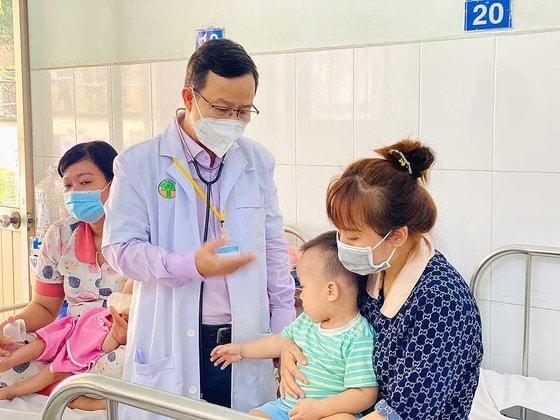
As Ho Chi Minh City enters the peak of the rainy season, health authorities are strengthening surveillance and prevention measures against multiple infectious diseases that typically surge during this period, including dengue fever, meningococcal disease, hand, foot and mouth disease (HFMD), and other seasonal infections. Rather than preparing for a single outbreak, the healthcare system is responding to the growing possibility of several communicable diseases occurring simultaneously.
The seasonal increase reflects a combination of environmental conditions, population density, urban mobility, and behavioural factors that facilitate disease transmission. While each disease presents different epidemiological characteristics, their concurrent circulation can significantly increase pressure on hospitals, emergency departments, laboratories, and public health resources if not detected and controlled early.
The situation underscores a broader evolution in infectious disease management. Urban healthcare systems are increasingly required to monitor multiple health threats simultaneously while maintaining sufficient capacity for prevention, surveillance, and rapid response.
Why It Matters
- Seasonal infectious diseases remain a major burden on urban healthcare systems.
- Simultaneous outbreaks require integrated surveillance rather than disease-specific responses.
- Early prevention is more cost-effective than managing widespread outbreaks.
- Public awareness and community participation remain critical components of disease control.
- Climate variability is increasing the complexity of infectious disease preparedness.
Healthcare Insight Analysis
From Healthcare Insight’s perspective, the current situation in Ho Chi Minh City illustrates how infectious disease preparedness is evolving from reactive outbreak management to continuous population health surveillance.
Rapid urbanisation, climate variability, and increasing population mobility have changed the epidemiological landscape across many Asian cities. Rather than facing isolated disease events, health systems are increasingly challenged by overlapping outbreaks that demand coordinated monitoring across multiple infectious diseases. This requires stronger integration between epidemiological surveillance, primary healthcare, laboratory networks, environmental monitoring, and digital public health systems.
The development also reinforces the strategic importance of preventive healthcare investment. Vector control programmes, vaccination where applicable, school-based health education, sanitation initiatives, and real-time disease reporting are becoming essential components of resilient healthcare systems. Investments in prevention not only reduce hospital admissions but also minimise economic disruption associated with widespread outbreaks.
Beyond Vietnam, the situation reflects a wider regional trend. Many countries in Southeast Asia continue to experience rising risks of climate-sensitive infectious diseases, making public health preparedness an increasingly important pillar of healthcare resilience. Governments that strengthen early warning systems and community-based prevention programmes are likely to be better positioned to respond to future public health emergencies.
Market Implications
The increasing complexity of seasonal disease management is expected to accelerate investment in disease surveillance technologies, diagnostic testing, vaccines, vector control programmes, and digital public health infrastructure. Healthcare providers may also expand preventive care services and strengthen collaboration with local authorities to improve outbreak preparedness.
For healthcare leaders, the situation reinforces that sustainable health systems are built not only through hospital capacity but also through strong preventive medicine, community engagement, and integrated public health governance capable of responding to multiple health threats simultaneously.