

Key Development
On August 10, 2026, the Ministry of Health (MOH) of Vietnam issued an urgent regulatory directive to the People’s Committees of all central-level provinces and cities, requesting heightened state oversight and sustainable governance across the Traditional Eastern Medicine (TEM) sector.
The MOH directive follows post-market surveillance audits and inter-agency reports confirming the ongoing commercialization of uncertified, counterfeit, and adulterated herbal raw materials and traditional medicines, paired with illegal medical practice across regional markets.
Urgent Directives & Core Priorities Issued by the Ministry of Health:
-
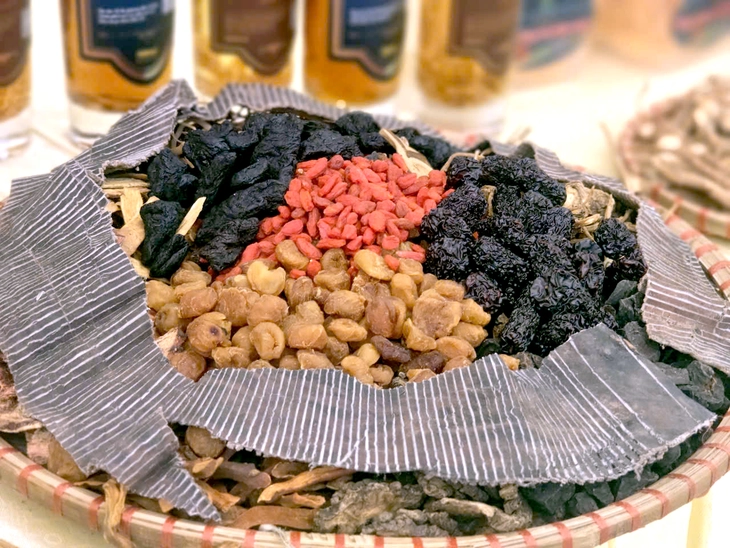
Purging Unlicensed Herbal Vendors at Tourist Landmarks: Provincial People’s Committees must direct Health Departments, Market Surveillance teams, and Police forces to immediately inspect and shut down illegal traditional medicine vendors operating around historical monuments, temples, pagodas, and tourist sites.
-
Severe Prosecution of Healthcare Fraud & Adulteration: Mandating strict administrative and criminal prosecution against unauthorized practitioners, fraudulent vendors, and entities illegally adulterating traditional herbal formulations with Western active pharmaceutical ingredients (e.g., synthetic analgesics, corticosteroids).
-
Public Health Education & Fraud Awareness: Educating consumers to purchase only licensed, registered traditional medicines and seek treatment at certified TEM clinics; warning the public against deceptive digital advertisements fabricating curative claims (evidenced by the recent criminal indictment of the “Xuong Khop Ba Sau” fraud syndicate).
-
Standardizing Cultivation Domains & TEM Practice: Directing local authorities to expand standardized GACP-WHO herbal cultivation zones, preserve traditional medical heritage, and upgrade clinical qualifications for TEM practitioners.
Why It Matters
-
Severe Clinical Risks Associated with Adulterated Traditional Formulations: Illicit traditional medicines sold at tourist sites or via unregulated social media channels frequently contain hidden Western pharmaceuticals (such as dexamethasone, paracetamol, or indomethacin) to induce rapid symptom relief. Prolonged unmonitored consumption causes adrenal suppression, gastrointestinal bleeding, and acute hepatic/renal failure.
-
Protecting Cultural Heritage & Tourism Integrity: Aggressive solicitation and commercialization of unverified “miracle herbal cures” at cultural landmarks damage consumer confidence and erode the reputation of authentic Vietnamese traditional medicine.
-
Inter-Agency Anti-Smuggling Operations: The directive provides explicit legal authority for local 389 Steering Committees, Market Surveillance units, and law enforcement agencies to execute targeted raids, confiscate uncertified herbal materials, and protect compliant TEM manufacturers.
Healthcare Insight Analysis
From the perspective of Healthcare Insight, the August 10, 2026 directive issued by the Ministry of Health represents Traditional Medicine Market Regulatory Enforcement.
Vietnam’s traditional medicine sector possesses significant cultural and therapeutic value but confronts three major operational challenges:
-
Supply Chain Import Control Vulnerabilities: A substantial proportion of raw botanical materials entering the market originates from unmonitored import channels, resulting in exhausted, low-active-ingredient herbs or chemical-residue-contaminated stocks reaching retail tourist markets.
-
Digital Ad Fraud Exploitation: Syndicates exploit social media platforms (such as Facebook and TikTok) by editing images of prominent physicians and celebrities to market counterfeit, overpriced traditional remedies (as demonstrated by the recent prosecution of 21 defendants in Phutho Province).
-
Fragmented Domestic Herbal Cultivation: Weak linkages between agricultural growers, biopharma manufacturers, and medical institutions hinder the commercial scaling of domestic GACP-WHO certified herbal supply chains against low-cost, unverified imports.
Decisive enforcement by the Ministry of Health serves to curb immediate commercial infractions while establishing necessary regulatory standards to professionalize Vietnam’s traditional medicine value chain throughout 2026–2030.
Market Implications
-
Comprehensive Inter-Agency Audits Across Tourist Destinations: Health Departments and Market Surveillance teams across major tourist hubs (Quang Ninh, Hanoi, Ninh Binh, Thua Thien Hue, Lam Dong, HCMC) will initiate joint enforcement sweeps in August 2026.
-
Consumer Shift Toward Certified cGMP/GACP Traditional Brands: Consumer purchasing preferences will increasingly consolidate around certified traditional medicine brands and GACP-WHO sourced supplements produced by established manufacturers (e.g., Traphaco, Nam Ha Pharma, OPC) distributed via GPP-certified pharmacy chains.
-
Tightening Social Media Advertising Oversight: The Ministry of Health will collaborate with the Ministry of Information and Communications and the Ministry of Public Security to take down fraudulent digital accounts and live-stream channels promoting illegal health claims.
Regulatory Matrix: Traditional Medicine Infractions & Enforcement Mechanisms
| Infraction Category | Typical Commercial Violation | Regulatory Sanctions & Enforcement Agency |
| Unlicensed Herbal Vending | Selling uncertified botanical herbs at tourist/religious sites. | Product seizure, administrative fines & shop closure. |
| Chemical Adulteration | Blending Corticoids/Paracetamol into “heritage herbal cures”. | Criminal prosecution for manufacturing toxic counterfeit goods. |
| Deceptive Digital Ads | Fabricating medical endorsements & curative claims. | Criminal indictment (e.g., “Xuong Khop Ba Sau” case). |
| Unlicensed TEM Practice | Operating traditional clinics without valid operating licenses. | License revocation, administrative fines, criminal charges. |