

Key Development
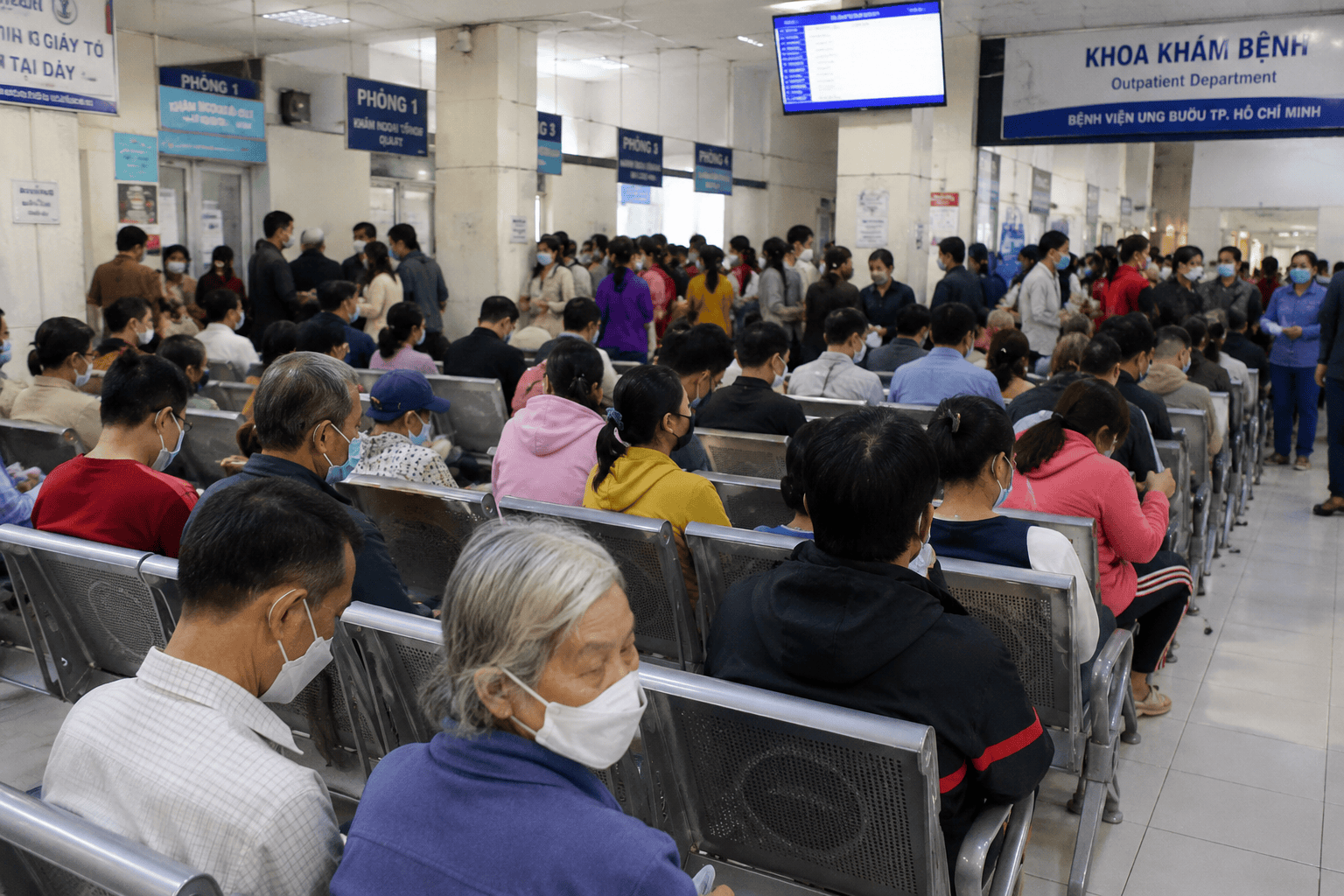
One of Vietnam’s largest oncology centers is experiencing an unprecedented surgical backlog, with more than 1,000 cancer patients reportedly waiting for operations. The growing queue reflects rising demand for oncology services while exposing mounting pressure on operating rooms, specialized personnel, inpatient capacity, and perioperative resources.
The situation illustrates a broader structural challenge facing healthcare systems across emerging markets. Advances in cancer screening, population aging, and improved diagnosis are enabling more patients to access treatment, yet infrastructure expansion has not always kept pace with demand. As patient volumes continue to increase, capacity constraints can quickly evolve from operational issues into barriers affecting treatment timelines and clinical outcomes.
Beyond individual hospitals, the development highlights the importance of system-wide capacity planning. Surgical oncology relies on coordinated multidisciplinary care including diagnostics, anesthesia, pathology, intensive care, pharmacy, and postoperative services—making bottlenecks difficult to resolve through isolated interventions alone.
Why It Matters
- Rising cancer incidence is increasing long-term demand for specialized oncology infrastructure across Vietnam.
- Surgical capacity has become a strategic healthcare resource rather than simply a hospital operational issue.
- Capacity shortages may accelerate investment in hospital expansion, operating room modernization, and workforce development.
- The event reinforces the importance of integrated cancer care pathways that improve patient flow across different levels of care.
- Healthcare providers, policymakers, and investors are likely to place greater emphasis on oncology capacity planning over the coming years.
Healthcare Insight Analysis
The significance of this development extends far beyond a temporary waiting list.
Globally, healthcare systems are shifting from treating cancer solely as a clinical challenge toward managing it as a long-term capacity management issue. Earlier diagnosis, improved survival rates, and expanding access to treatment have increased demand for surgery, chemotherapy, radiotherapy, and supportive care simultaneously. Without corresponding expansion in healthcare infrastructure, patient backlogs become increasingly difficult to avoid.
For Vietnam, oncology is emerging as one of the country’s highest-priority healthcare investment segments. Demand is expected to grow as demographic aging, urbanization, and broader health insurance coverage continue to improve access to diagnosis and treatment.
Addressing these pressures requires more than constructing additional hospital buildings. Sustainable solutions include expanding operating room capacity, strengthening regional cancer centers, adopting digital operating room scheduling, optimizing referral networks, developing specialized oncology workforces, and incorporating AI-assisted hospital resource management to improve patient throughput.
The pharmaceutical industry is also indirectly affected. Delays in surgical treatment can alter treatment sequencing, influence demand for systemic therapies, and increase the need for supportive care services. As cancer management becomes increasingly multidisciplinary, closer collaboration among hospitals, pharmaceutical companies, diagnostics providers, and digital health partners will become increasingly important.
Ultimately, the current backlog should be viewed not merely as a hospital operational challenge but as an indicator of the healthcare system’s readiness to accommodate Vietnam’s growing cancer burden over the next decade.
Market Implications
The event may reinforce investment across several healthcare segments, including oncology hospitals, surgical equipment, medical devices, imaging systems, pathology services, digital hospital management platforms, and healthcare workforce development.
Private healthcare providers may also find opportunities to expand oncology services through public-private partnerships and regional treatment networks, helping reduce pressure on major tertiary hospitals.
For healthcare investors, the situation signals continued long-term growth potential across Vietnam’s oncology ecosystem, where infrastructure expansion, digital transformation, and integrated cancer care are expected to become strategic priorities.
Source: https://vnexpress.net/benh-vien-ung-buou-tp-hcm-qua-tai-1-000-nguoi-cho-mo-5097714.html?