
Key Development
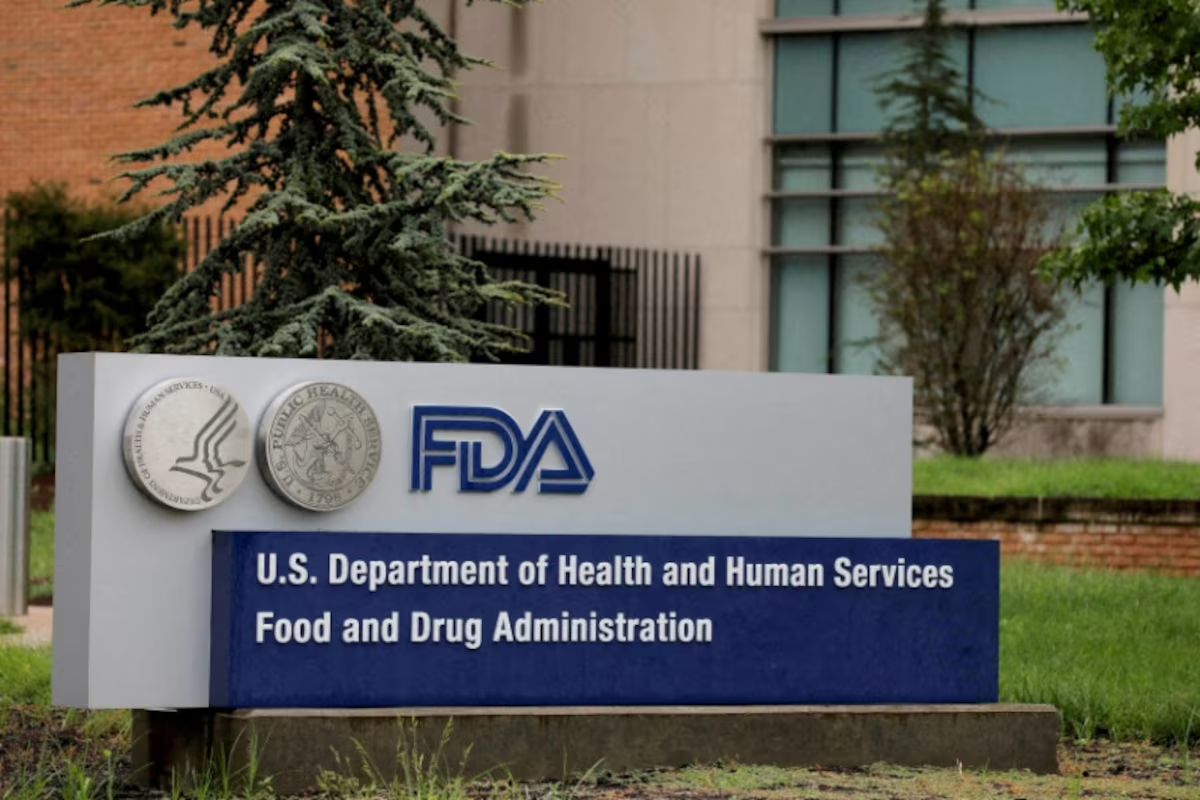
On September 14, 2026, the U.S. FDA convened a four-hour public hearing examining how psychedelic medicines could eventually be used in supervised and supportive clinical settings. Physicians, psychiatrists, pharmacists, veterans and other stakeholders focused on practical issues including patient screening, clinician training, treatment-session monitoring, long-term safety surveillance and equitable access.
The hearing is part of a much broader regulatory shift. In April, the Trump administration directed federal health agencies to accelerate development of therapies for serious mental illness, followed by FDA priority vouchers for three psychedelic programs. FDA then finalized its industry guidance for psychedelic clinical development in July and published a new regulatory framework in September indicating greater willingness to consider flexible approaches to difficult trial-design issues.
The conversation is therefore moving beyond whether psychedelics have therapeutic potential. The more important question is becoming whether developers can produce sufficiently rigorous evidence while building a delivery model that is safe, reproducible and commercially scalable.
Why It Matters
- Regulatory uncertainty is declining, but the evidence threshold remains high. FDA may be increasingly supportive of the category, but safety and efficacy remain fundamental. The agency’s 2024 rejection of Lykos Therapeutics’ MDMA-based PTSD treatment demonstrated that strong headline efficacy cannot compensate for concerns surrounding trial design and supporting evidence.
- Commercialization may look very different from conventional pharmaceuticals. Some psychedelic treatment sessions can require six to twelve hours of supervision, trained staff and follow-up support. The commercial product is therefore potentially a combination of a drug and a healthcare-service infrastructure.
- Reimbursement could become the next major bottleneck. Approval alone does not guarantee access. Payers may need to reimburse the medicine, lengthy clinical sessions, specialist staff and associated monitoring before these treatments can move beyond high-income self-pay populations.
- Late-stage developers could benefit disproportionately. Analysts identified companies including Compass Pathways, Definium Therapeutics, AtaiBeckley, Helus Pharma and GH Research as potential beneficiaries of a clearer pathway. Definium has also just reported a second successful late-stage trial of its LSD-based DT120 therapy for generalized anxiety disorder.
Healthcare Insight Analysis
The FDA hearing may represent an important inflection point for psychedelic medicine: the sector is moving from scientific validation toward infrastructure building.
In the first phase of psychedelic biotech, company valuations largely revolved around demonstrating clinical efficacy and reaching regulatory approval. The next phase will require something more demanding. Developers will need to demonstrate that their therapies can be delivered consistently across hundreds or potentially thousands of treatment sites, with standardized patient selection, trained providers, monitoring protocols and post-treatment care.
That could create an entirely new healthcare ecosystem around psychedelic medicines — involving drug developers, specialized psychiatry clinics, clinician-training platforms, digital monitoring systems, reimbursement specialists and real-world evidence providers.
Yet stronger political and regulatory support also creates a risk of excessive optimism. Lykos demonstrated that promising clinical outcomes are not enough when trial methodology, blinding, safety oversight or data quality becomes questionable.
The likely long-term winners may therefore not be the companies with the most compelling psychedelic narratives. They may be those with the cleanest clinical packages, most regulator-ready development programs and most realistic commercialization models.
Market Implications
For investors, greater regulatory clarity can lower the risk premium applied to psychedelic biotech and improve access to capital for late-stage programs. It may also increase strategic interest from larger pharmaceutical groups seeking differentiated neuroscience assets.
For healthcare systems, the opportunity extends beyond the drug itself. Wider approval could create demand for specialized treatment centers, clinician certification, patient-monitoring technology and new reimbursement frameworks.
The industry’s defining challenge may therefore eventually shift from “Will the FDA approve psychedelic medicines?” to “Can healthcare systems deliver them safely, affordably and at scale?”
Source: https://www.reuters.com/legal/litigation/fda-hold-public-hearing-psychedelic-drugs-trump-driven-push-gathers-pace-2026-09-14/