
Key Development
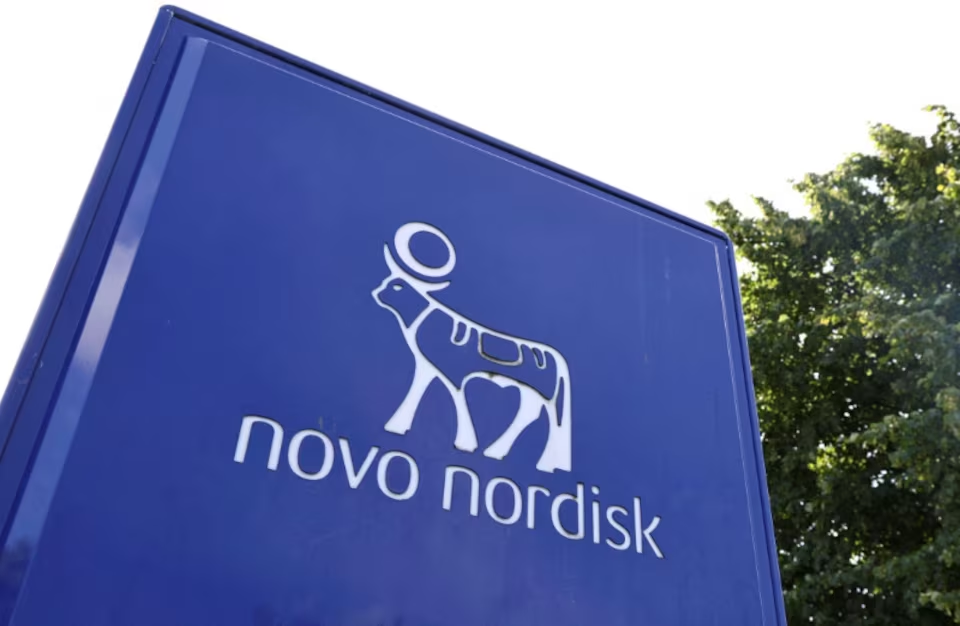
Novo Nordisk is adopting “Novo” as its everyday corporate name while introducing a new cultural framework, “The Novo Way.” Its legal name, Novo Nordisk A/S, will remain unchanged. The new operating principles centre on customer obsession, competitiveness, clarity, and care and integrity.
The timing matters more than the branding itself. Novo is facing intensifying competition from Eli Lilly in obesity, growing investor expectations for new blockbusters and setbacks across parts of its pipeline. Its Copenhagen-listed shares have fallen nearly 15% this year despite strong early prescription performance from its oral GLP-1 franchise.
Novo will provide a broader strategy, R&D and operational update at its Capital Markets Day on September 21, making the rebrand effectively the opening move in a wider corporate repositioning.
Why It Matters
- This is fundamentally an execution story, not a branding story. A shorter name cannot restore competitive momentum. “The Novo Way” matters only if it accelerates decision-making, improves pipeline prioritization and strengthens commercialization.
- The obesity race has entered a new phase. Novo remains a formidable competitor, especially in oral GLP-1s, but Lilly is narrowing the gap. Foundayo has already captured more than 30% of new U.S. patients entering the oral obesity market.
- Pipeline diversification is becoming more urgent. Novo recently terminated two additional late-stage ziltivekimab trials following an earlier cardiovascular failure, weakening an important attempt to build growth beyond diabetes and obesity.
- The simplified brand may support a broader healthcare identity. Moving from “Novo Nordisk” to “Novo” in day-to-day communications could help position the company beyond its diabetes heritage as its portfolio increasingly spans obesity, cardiovascular disease, liver disease and broader metabolic health.
Healthcare Insight Analysis
The most important question raised by Novo’s rebrand is not whether the new identity looks more modern. It is whether a company that helped create the modern GLP-1 market can move quickly enough as that same market becomes substantially more competitive.
Novo enjoyed a powerful first-mover advantage with Wegovy. But obesity care is no longer a race centred on one blockbuster. Competition increasingly spans efficacy, oral versus injectable delivery, cardiovascular outcomes, new indications, pricing, reimbursement and global access.
That means Novo may now need to operate with the urgency of a challenger while retaining the scale of a market leader.
Seen through this lens, “The Novo Way” could be strategically meaningful. Rapid success can create organizational complexity, slower decision-making and resistance to reallocating resources. Culture therefore becomes relevant not as a corporate communications exercise, but as an operating system for R&D and commercial execution.
Market Implications
For investors, the rebrand itself carries little economic value unless it is followed by stronger pipeline productivity, commercial execution and capital allocation. Novo’s September 21 Capital Markets Day will therefore be a more important test than the branding announcement.
For the pharmaceutical industry, Novo’s reset illustrates how quickly leadership positions can change in obesity. Analysts expect the U.S. obesity-treatment market alone to exceed $100 billion annually by 2030, while oral therapies could significantly expand the addressable patient population.
The strategic test for Novo is therefore straightforward: can it convert market leadership into organizational speed before competitors further erode its early advantage?
Source: https://www.reuters.com/legal/litigation/novo-nordisk-rebrands-as-novo-announces-cultural-reset-2026-09-14/