

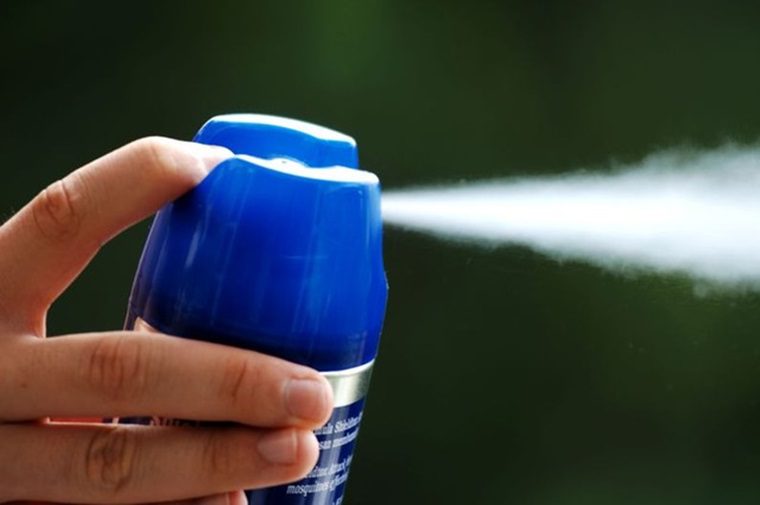
The Deputy Minister of Health, Assoc. Prof. Dr. Nguyễn Thị Liên Hương, has officially signed and dispatched an executive directive to the Chairmen of the People’s Committees of provinces and centrally-run cities, demanding a rigorous escalation in the state management of chemicals and preparations engineered for household and medical insecticidal and bactericidal use. The intervention aims to standardize decentralized administrative workflows, eliminate counterfeit or substandard products, and elevate public health safety metrics.
The documented statutory baselines, decentralized administrative mandates, and market enforcement protocols feature:
-
Statutory Frameworks and Chemical Registry Management: The Ministry of Health requested provincial and municipal executive leadership to direct functional sub-units to synchronously and uninterruptedly enforce newly enacted 2026 legislative instruments, specifically:
-
Resolution No. 66.17/2026/NQ-CP and Resolution No. 66.18/2026/NQ-CP issued by the Government governing corporate business conditions and preparation oversight.
-
Circular No. 05/2026/TT-BYT issued by the Ministry of Health, which formally establishes the definitive Registry of Banned Chemicals alongside the Registry of Hazardous Chemicals Requiring Mandatory Information Disclosure within household and medical insecticidal and bactericidal compounds.
-
-
Execution of Localized Decentralized Administrative Procedures:
-
Provincial-level jurisdictions hold explicit responsibility for auditing, publishing, or repealing designated administrative protocols in compliance with the decentralization boundaries mapped out under Resolution No. 66.18/2026/NQ-CP.
-
Regional administrative units must systematically receive and process decentralized regulatory applications filed by independent organizations, entities, and commercial enterprises operating or registered within their local territories.
-
-
Intensified Market Inspections, Sanction Violations, and Public Advocacy:
-
Enforcement and Public Disclosures: The directive mandates an intensification of specialized market inspections to actively counter commercial fraud, counterfeit production, and sub-standard formulations across manufacturing, wholesaling, and practical deployment streams. Verified administrative or criminal infractions must face strict statutory sanctions, with details published broadly across mass media channels to issue community safety warnings.
-
Public Awareness Campaigns: Local People’s Committees are urged to mobilize regional health departments to educate medical facilities and general communities on the secure application, handling, and hazardous disposal of chemical preparations. For any ongoing operational constraints materialized during the enforcement rollout, provincial leaders are directed to coordinate with the Ministry of Health (specifically the General Department of Disease Prevention) for prompt resolution.
-