

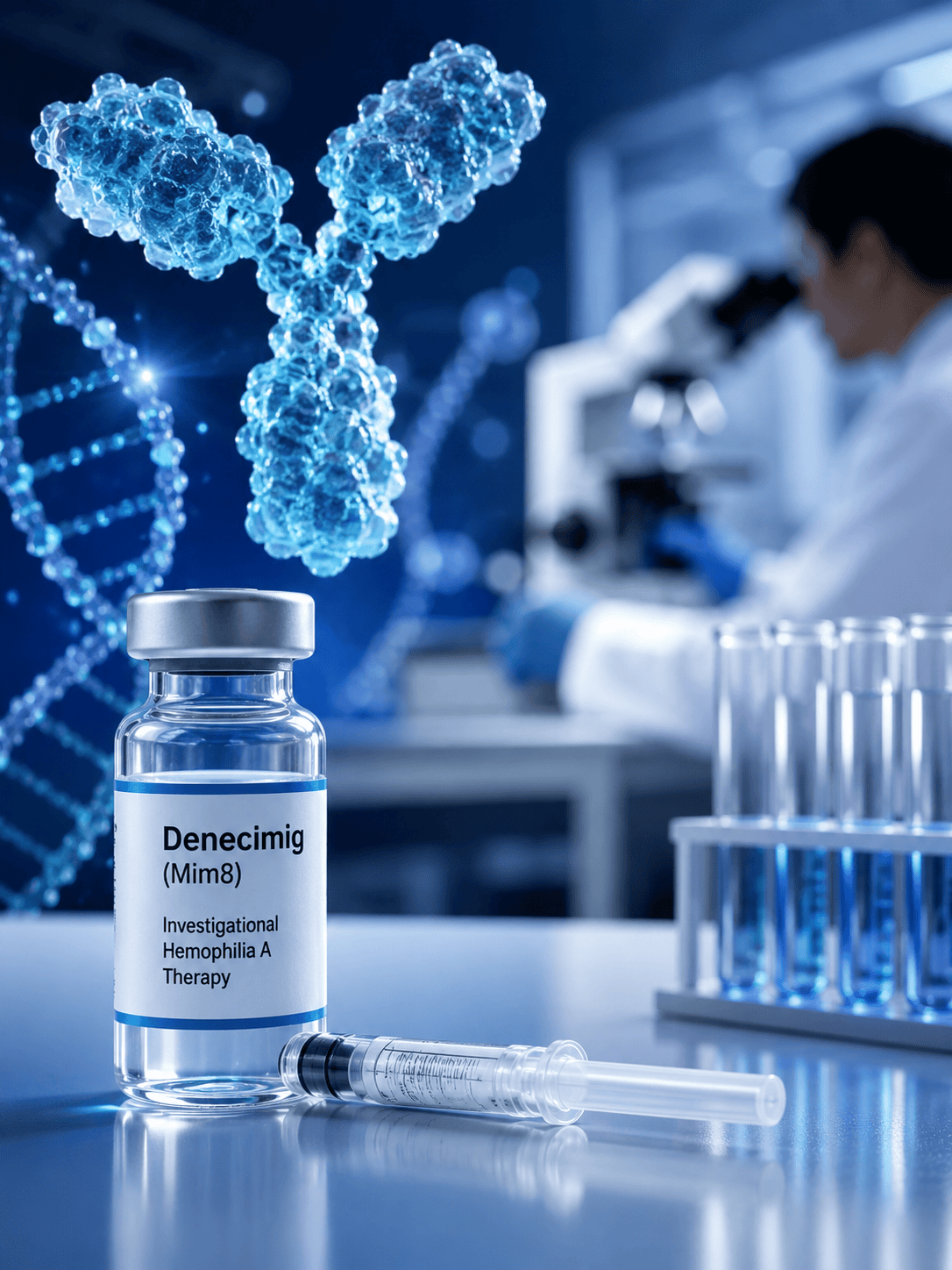
Novo Nordisk has announced positive results from the Phase III FRONTIER4 extension study, reinforcing the long term safety and efficacy profile of its investigational therapy denecimig (Mim8) for people living with hemophilia A. The findings demonstrated sustained bleed protection across children, adolescents, and adults, regardless of inhibitor status, supporting the therapy’s potential as a next generation prophylactic treatment.
The results arrive at a time when the hemophilia treatment landscape is rapidly evolving beyond traditional clotting factor replacement. Long acting biologics, gene therapies, and novel antibody based treatments are redefining standards of care by reducing treatment burden while improving long term disease management.
For Novo Nordisk, the study represents another strategic milestone as the company continues to diversify beyond its market leading diabetes and obesity franchises. Rare diseases have become an increasingly important pillar of the company’s long term growth strategy, with hematology representing one of its highest priority therapeutic areas.
Why It Matters
- Positive Phase III data strengthen Novo Nordisk’s position in the highly competitive hemophilia market.
- The study supports the industry’s transition toward more convenient prophylactic therapies with sustained bleed prevention.
- Growing competition is accelerating innovation across the rare bleeding disorders market.
- Successful development could expand treatment choices for patients regardless of inhibitor status.
- The results reinforce Novo Nordisk’s broader strategy of diversifying into high value specialty and rare disease markets.
Healthcare Insight Analysis
The latest FRONTIER4 data illustrate a broader transformation taking place in hemophilia care. For decades, disease management depended heavily on frequent clotting factor infusions, placing a considerable burden on patients and caregivers. Today, innovation is increasingly focused on delivering durable protection with fewer treatments, improved convenience, and better quality of life.
This shift has intensified competition among pharmaceutical companies developing next generation therapies for rare bleeding disorders. While gene therapy has generated significant attention, antibody based therapies continue to offer a practical and scalable approach that combines strong efficacy with established manufacturing capabilities and broader patient accessibility.
For Novo Nordisk, expanding into hematology is a strategic move that complements its established leadership in metabolic diseases. As pricing pressure and competition increase in the diabetes and obesity markets, rare diseases provide attractive opportunities through premium pricing, specialized care pathways, and long term patient management.
The positive data also highlight the growing importance of diversified innovation portfolios within the pharmaceutical industry. Leading companies are increasingly balancing blockbuster franchises with investments in specialty medicine, enabling more resilient long term growth while addressing areas of significant unmet medical need.
Market Implications
If denecimig secures regulatory approval, Novo Nordisk will further strengthen its presence in the global rare disease market and intensify competition in hemophilia care.
The therapy could contribute to a broader shift toward antibody based prophylaxis, encouraging continued investment in innovative treatments that improve convenience, reduce bleeding risk, and enhance long term patient outcomes. More broadly, the results reinforce the pharmaceutical industry’s continued focus on rare diseases as a key driver of future innovation and sustainable commercial growth.