

Key Development
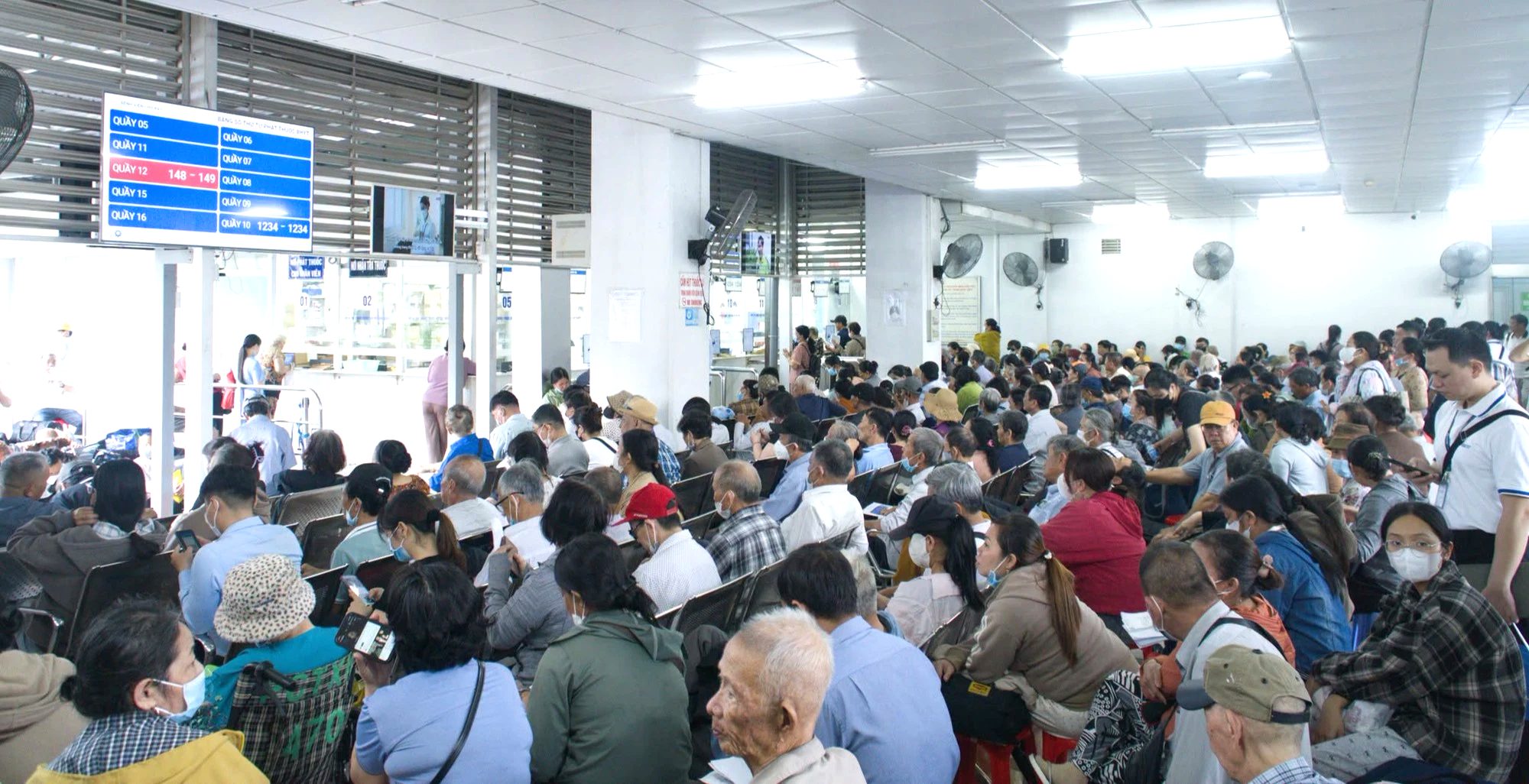
Cho Ray Hospital is currently handling approximately 8,000–9,000 outpatient visits and treatments per day, with peak days exceeding 10,000 visits. Around 150 physicians participate in outpatient consultations, with each doctor seeing an average of 65–80 patients daily. During exceptional surges, physicians from inpatient departments are redeployed to support outpatient operations.
What makes the situation particularly significant is that congestion persists despite substantial digitalization of patient intake. More than 70% of patients now register through the hospital’s application, reducing the need to queue for registration. Yet more than 90% of patients attending the outpatient department come from outside the locality, while approximately 60% are returning patients, including people requiring ongoing management for chronic disease, cancer, cardiovascular conditions and transplantation.
The numbers suggest that this is no longer primarily a queue-management problem. It is increasingly a system-wide capacity allocation challenge.
Why It Matters
- Digital registration does not automatically create clinical capacity. Appointment platforms can streamline intake, but they cannot increase the number of specialists, consultation rooms, diagnostic equipment or available physician time.
- Tertiary hospitals are carrying substantial volumes of continuing care. With roughly 60% of patients returning for follow-up, valuable specialist capacity is being consumed by recurring care alongside highly complex cases.
- Interprovincial patient flows reveal uneven distribution of specialist capabilities. The fact that more than 90% of outpatient department patients come from other provinces demonstrates Cho Ray’s role as a regional referral center, while highlighting opportunities to strengthen care closer to patients’ homes.
- Workforce capacity could become the binding constraint. On peak days, physicians work beyond normal hours and inpatient specialists may need to be reassigned to outpatient services.
Healthcare Insight Analysis
Healthcare Insight sees the Cho Ray situation as evidence of an important transition: the key bottleneck at major hospitals is moving beyond registration toward how patients are distributed across the healthcare system before and after a hospital visit.
If more than 70% of patients are already using digital registration while physical congestion remains severe, the next stage of healthcare digitalization must move beyond appointment booking.
Greater system value could come from risk-based triage, tele-follow-up, remote chronic disease management, interoperable medical records, smarter referral systems and structured transfer of routine follow-up care back to provincial facilities.
This direction also aligns with Vietnam’s broader healthcare policy. Resolution 72 emphasizes stronger primary healthcare capacity, targets more than 20% of insured medical visits being delivered through commune-level health stations, supports chronic disease management at primary-care levels and encourages greater private-sector participation in high-quality healthcare services.
Reducing pressure on Cho Ray therefore cannot be achieved only by adding registration counters or waiting-room capacity. The longer-term solution is to redesign the care network so that patients reach tertiary hospitals when tertiary-level expertise genuinely adds value.
Market Implications
For the healthcare ecosystem, sustained congestion at major referral hospitals creates a substantial investment case for hospital capacity management, patient navigation, telemedicine, remote patient monitoring, chronic-care platforms and interoperable referral infrastructure.
Provincial hospitals and private providers may also have an opportunity to expand specialty consultations, diagnostics, post-treatment follow-up and chronic-care services, allowing more patients to remain within their local healthcare networks.
For pharmaceutical and medtech companies, a more decentralized care model could strengthen demand for outpatient treatment pathways, home-care solutions, connected diagnostic devices, remote monitoring technologies and structured patient-support programs.
Strategic takeaway: 10,000 patient visits at a single hospital represent more than overcrowding. They signal that healthcare demand is growing faster than the system’s ability to distribute specialist capacity — potentially making healthcare decentralization and capacity infrastructure one of Vietnam’s most important investment themes over the coming years.