

Key Development
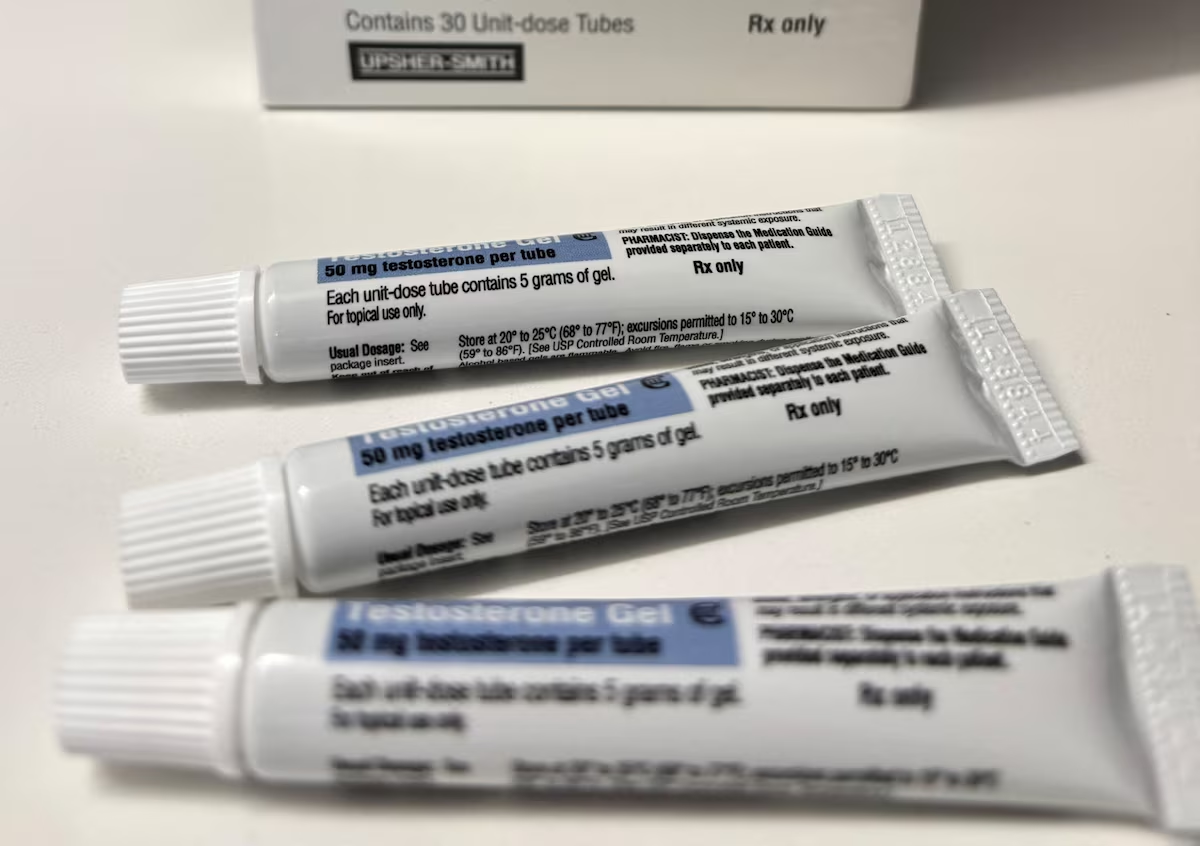
Testosterone use among U.S. women is rising rapidly, particularly among menopausal women experiencing persistently low sexual desire. A Truveta analysis conducted for Reuters found that the rate of women receiving testosterone prescriptions increased 146% between January 2023 and July 2026. Yet there is still no FDA-approved testosterone product specifically designed for women in the United States.
That mismatch is creating practical problems. Because commercially available testosterone products are formulated for men, women often rely on off-label prescribing, divide male-sized gel doses or turn to compounding pharmacies. Some pharmacies have delayed or rejected prescriptions because of dosing accuracy, safety and compliance concerns, while insurance coverage remains limited.
FDA will hold a dedicated workshop on September 17 to examine testosterone use in menopausal women, including evidence around sexual function, cognition, mood and musculoskeletal health, as well as unresolved long-term questions involving cardiovascular and breast cancer risks.
Why It Matters
- Demand is moving faster than regulation. Prescription growth indicates clear patient and clinician interest even without a female-specific approved product.
- The evidence remains narrow. Current medical guidance primarily supports testosterone for hypoactive sexual desire disorder in menopausal women; evidence for benefits in muscle strength, bone health, mood or general wellbeing remains insufficient.
- Dosing is both a safety and commercial problem. Products designed for men often contain substantially higher doses than women require, making standardized dispensing difficult.
- A development pipeline is emerging. More than 30 studies involving testosterone use in women are underway or planned, while developers including Aviva Bio are pursuing next-generation products.
Healthcare Insight Analysis
This is more than a story about rising prescriptions. It illustrates a recurring problem in women’s health: clinical demand can emerge long before products, reimbursement systems and regulatory frameworks are built to support it.
Testosterone has historically been developed around male indications. As female demand grows, clinicians are effectively adapting male formulations to a population with different dosing requirements, clinical objectives and safety considerations.
That creates a potentially attractive pharmaceutical opportunity. A female-specific formulation supported by robust clinical evidence could solve three problems simultaneously: greater prescribing confidence, more reliable pharmacy dispensing and a clearer path to insurance reimbursement.
But the rapid growth also creates risk.
Testosterone is increasingly promoted online for fatigue, mood, muscle strength and broader “wellness” benefits even though evidence supporting many of those claims remains limited. If consumer demand expands faster than clinical evidence, regulators may face pressure to define tighter boundaries between evidence-based treatment and lifestyle-driven hormone prescribing.
FDA’s upcoming workshop therefore matters beyond a single drug. It could begin clarifying what evidence sponsors would need to turn an expanding off-label practice into a regulated pharmaceutical category.
Market Implications
For pharmaceutical companies, testosterone represents a potentially important whitespace in menopause care: a rapidly expanding market with no FDA-approved female-specific testosterone therapy.
For pharmacies and payers, an approved women-specific product could reduce dependence on customized dosing and compounded formulations while creating a clearer reimbursement framework.
For investors, prescription growth alone is not the key signal. The larger question is whether current clinical programs can translate unmet demand into an approvable, standardized and scalable product category.
If they can, testosterone could become another example of women’s health evolving from an underserved clinical niche into a meaningful R&D and commercial market.